


Nature diary is for sharing some of the rocks, plants, fungi and animals I spot. If you want to know more about any of my observations, leave a comment below!
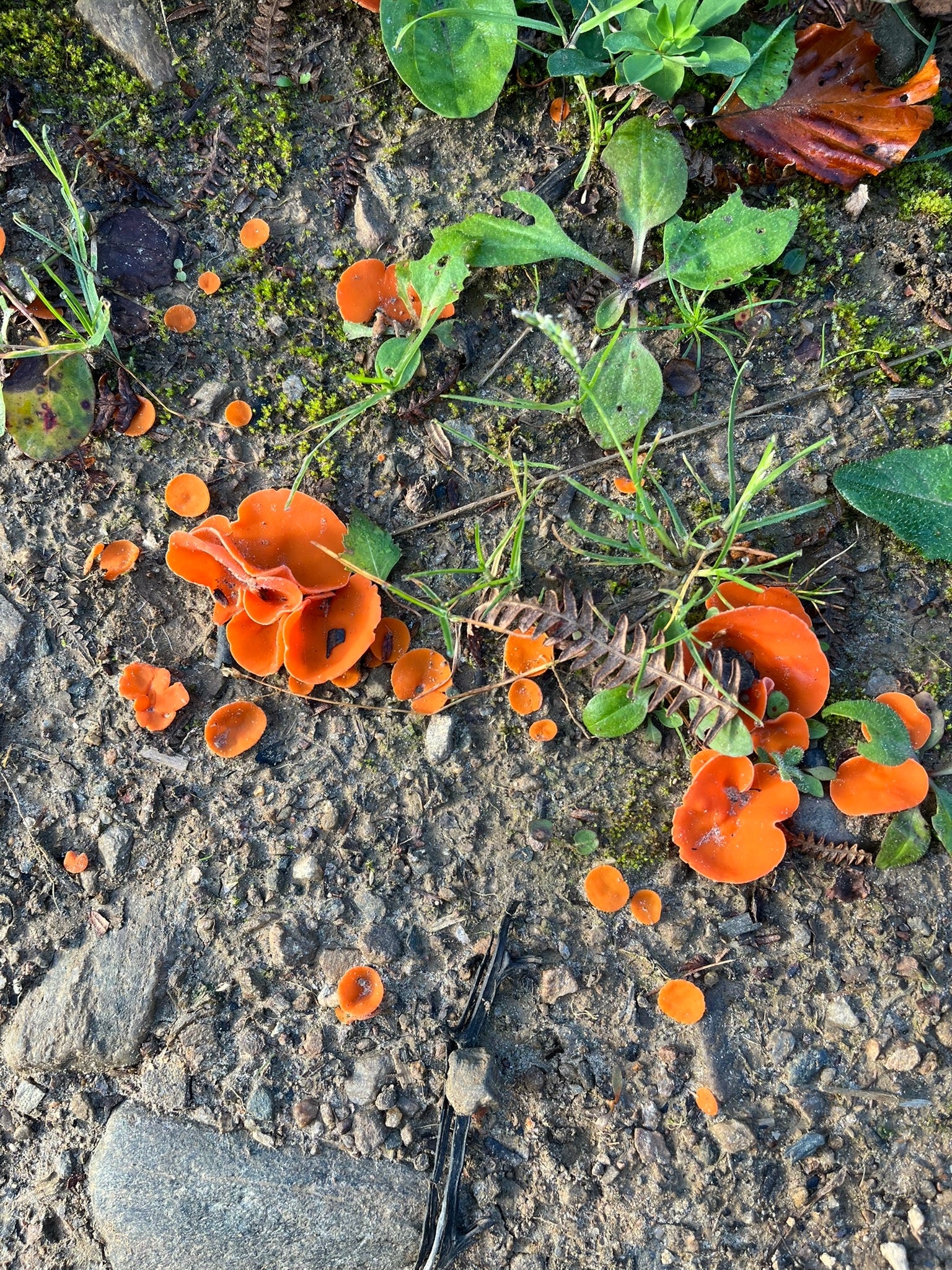
Orange Peel Fungus (Aleuria aurantia)
The common name of this fungus comes from their resemblance to (surprise) orange peels! It is easily identifiable by the bright ornage colour, with a whitish, fuzzy underside. They often grow in clusters, like the ones I saw.
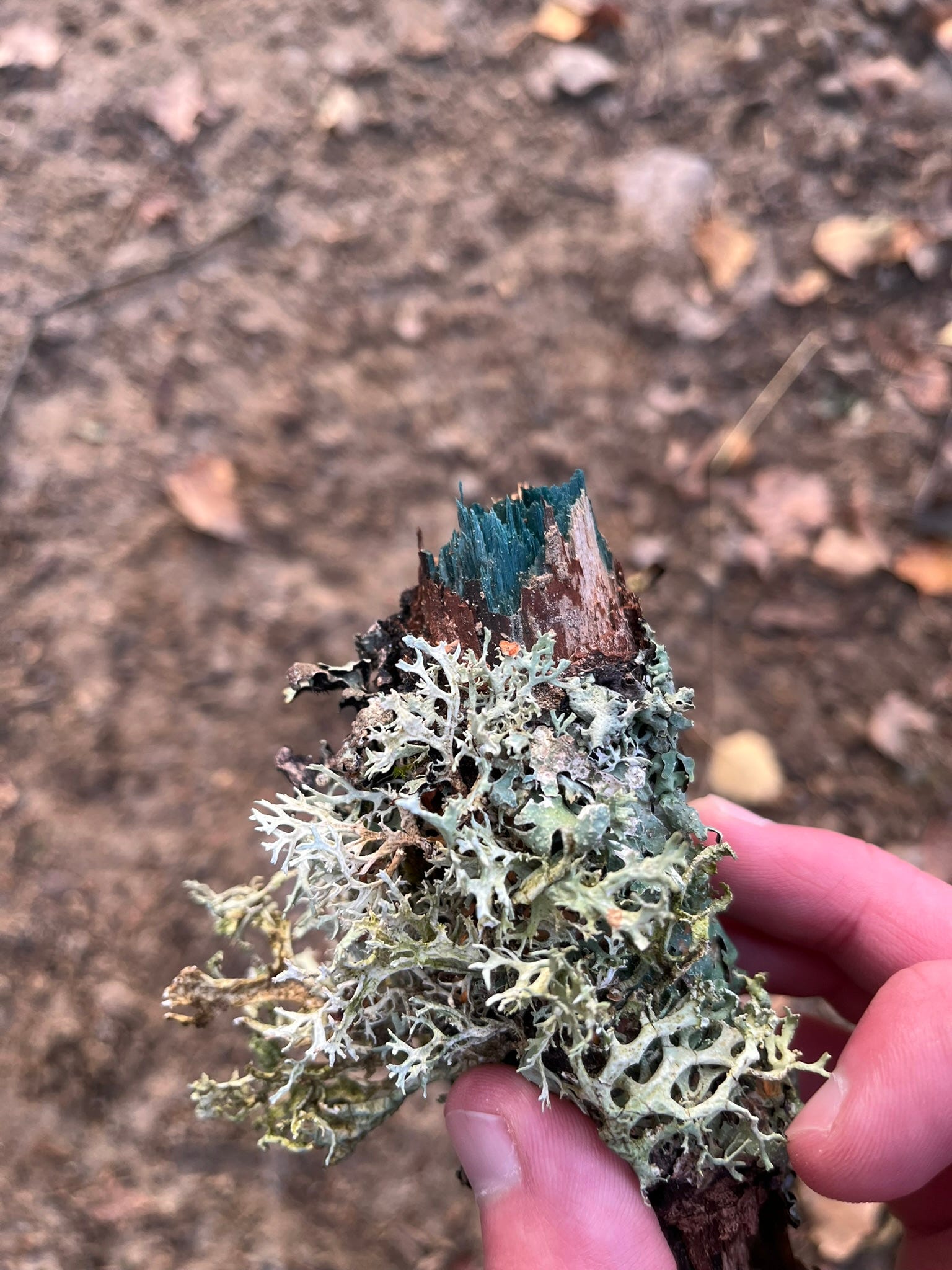
Green or Turquoise Elf Cup / Blue Stain (genus Chlorociboria)
I love spotting this fungus, though I have never actually seen their fruiting bodies (which do indeed look like little cups that elves could drink from). They can be found on bits of dead wood; their mycelium colours it a brilliant turquoise green colour (hence the common name Blue Stain). There are two main species in the UK (Turquoise Elf Cup and Green Elf Cup) but they can be only told apart by their spores.
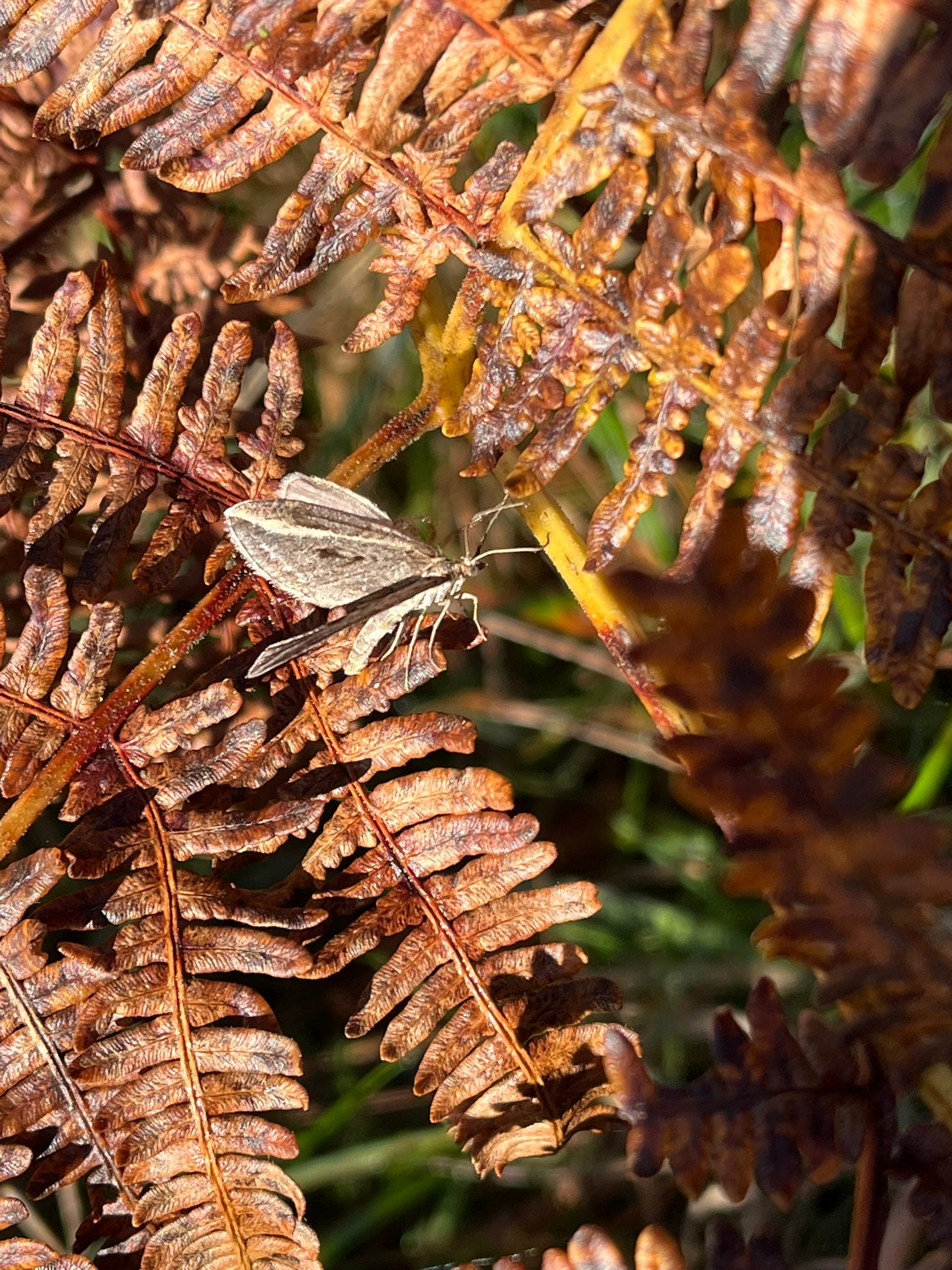
The Streak (Chesias legatella)
This buff or grey-coloured moth has a distinct white streak running down their forewings, which is the origin of their common name. The caterpillars feed on broom and the adults fly from September to October. This one was fighting a spider!
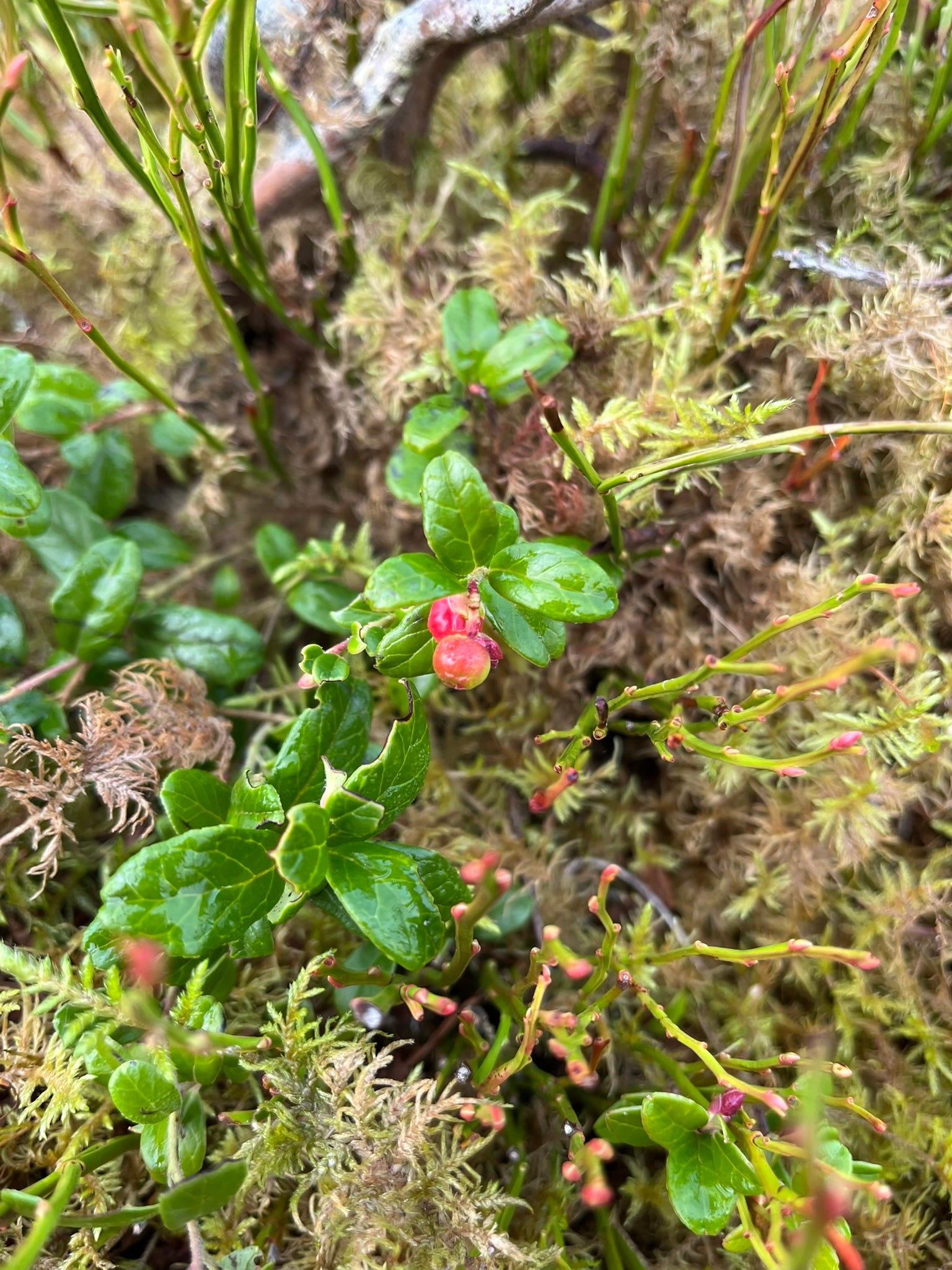
Cowberry (Vaccinium vitis-idaea)
Also known as lingonberry, cowberry is one of the common Vaccinium plants of our upland areas (the other is blaeberry - Vaccinium myrtillus). They can be easily distinguished by their small, glossy, oval leaves and bright red berries. Cowberry spreads through rhizomes, and often forms dense clumps or hummocks atop acidic soils.
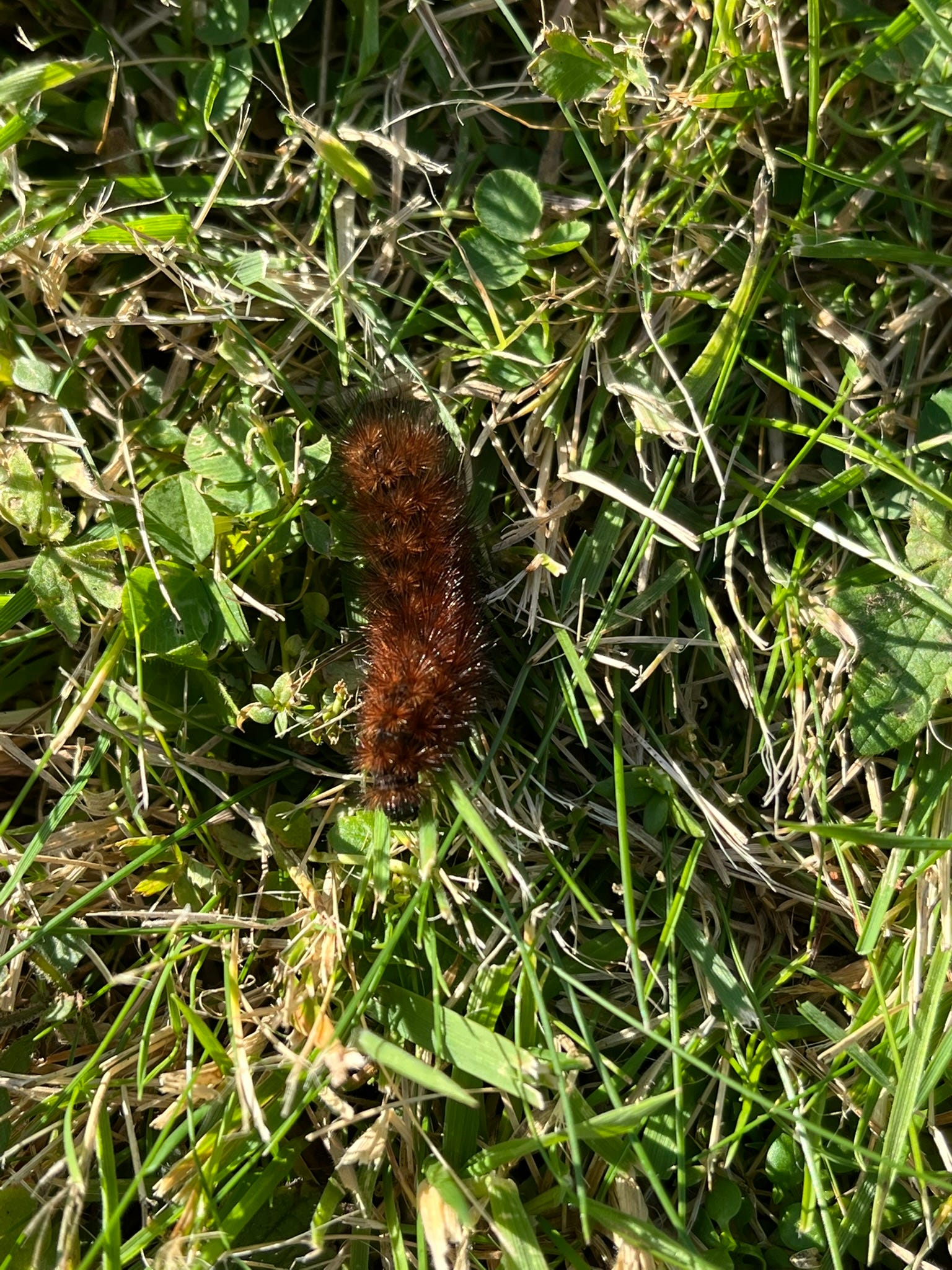
Ruby Tiger (Phragmatobia fuliginosa)
Ruby Tiger moths are common on heathlands. The caterpillars feed vigorously in autumn before they pupate hidden in leaf litter to emerge as adults the following year. The adult moths are easily identifiable by their deep brown to red colour; the hairs of the older caterpillars are similarly coloured.
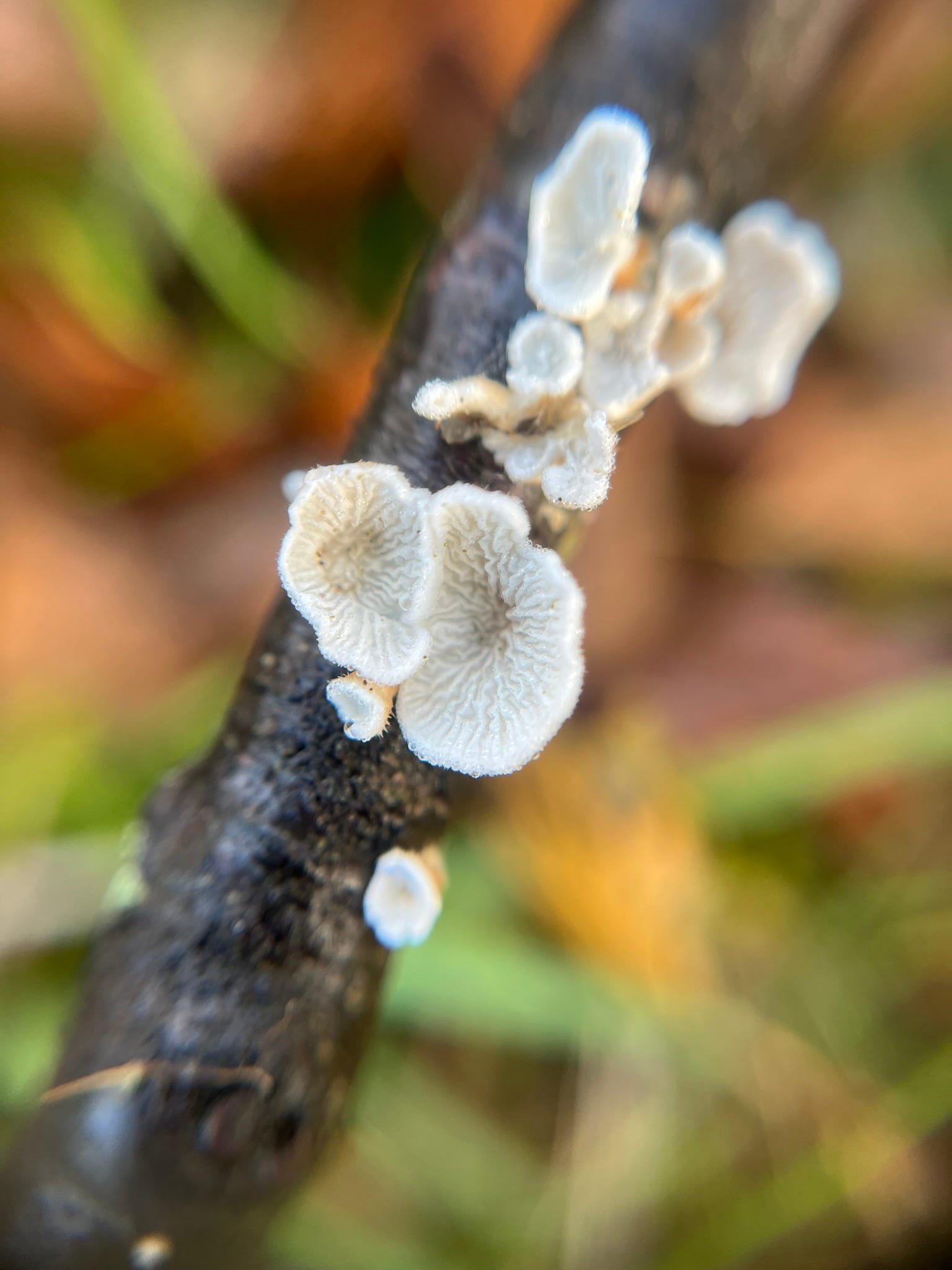
Crimped Gill (Plicatura crispa)
Another wood-rotting fungus species that grows in clusters on fallen branches or dead stumps. The Crimped Gill’s underside is made of distict gill-like wrinkles (they aren’t actually true gills). The upper side has a velvety feel and is brownish in colour, with white edges.
What have you spotted this week?